

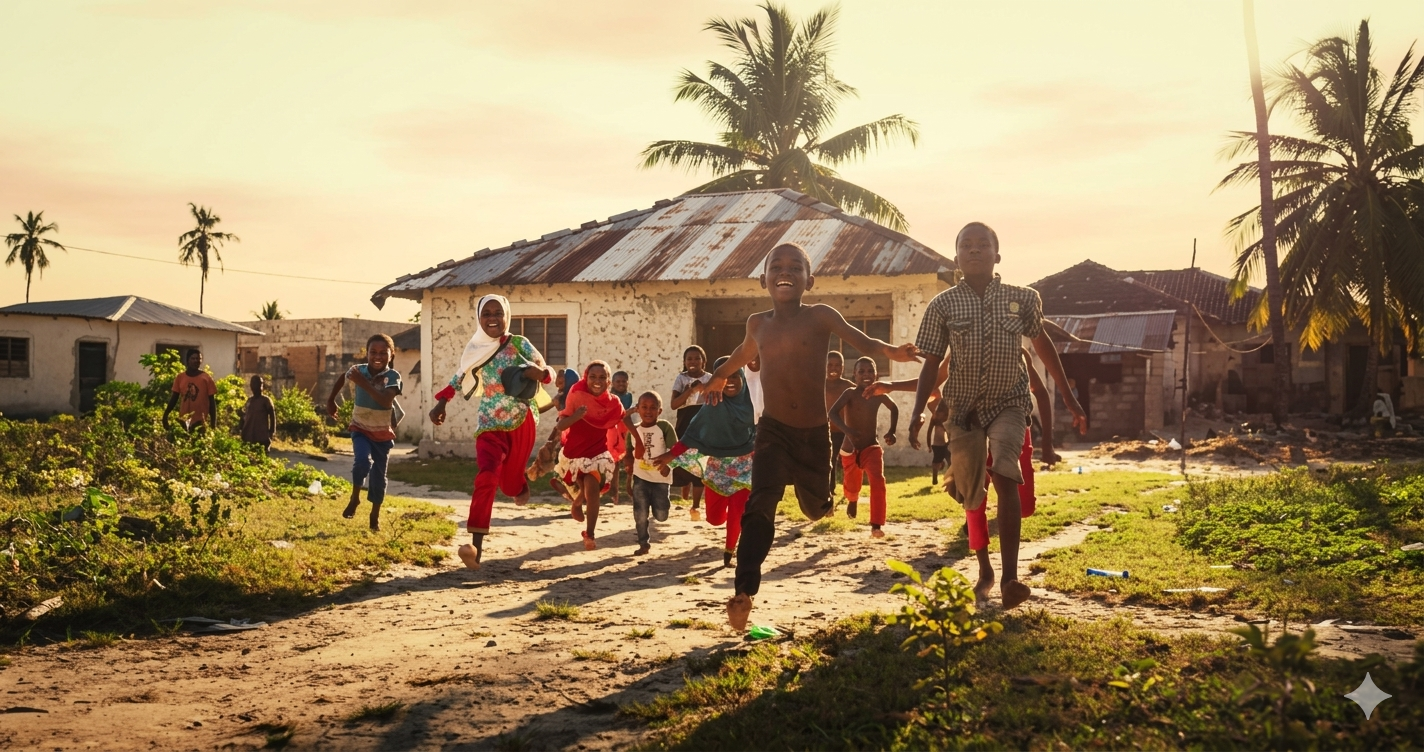
There is a stubbornness to African faith that refuses to die. We have buried too many, survived too much, and still the drums find rhythm at dawn. This is not optimism. Optimism is cheap. This is something harder, older. The kind of knowing that comes from watching your fields burn and planting again anyway.
CivicLens Africa was born from this knowing.
We are not here to document failure. The world has enough auditors of African misery. We are here to trace the architecture of hope. To ask why, after six decades of independence experiments, after structural adjustments and military interruptions, after the kleptocracy and the coups, the African church still fills on Sunday. Why the mosque overflows at Jummah. Why the shrine keeper still tends his grove. Faith here is not leisure. It is infrastructure. It is what holds the roof when the pillars are termite-eaten.
Our name carries intention. Civic because we believe the public square belongs to the people, not to predators. Lens because perspective is everything. Turn the camera one degree and the slum becomes a neighborhood of entrepreneurs. The refugee camp becomes a diaspora in waiting. The so-called fragile state becomes a laboratory for governance innovation that the West is only now stumbling toward.
We write from a particular vantage. Between the pulpit and the newsroom. Between scripture and data. We have watched pastors broker peace in villages where the state has no footprint. We have seen journalists document what courts would not hear. We know that Africa’s resilience is not accidental. It is cultivated. Tended by grandmothers who remember the old songs and young developers writing code in Lagos, Kigali, Nairobi.
This continent has been pronounced dead so many times we have lost count. In 1960, they said we could not govern ourselves. In 1980, they said we would starve. In 2000, they said HIV would hollow us out. Each time, we buried our dead and kept the appointment with morning. Now they speak of climate catastrophe, of demographic disaster, of Sahelian collapse. Perhaps. But we have learned to read these prophecies with one eye on the text and one on the terrain. The same Sahel has seen the fastest agricultural innovation in our history. The same youth bulge they fear is coding fintech solutions and organizing electoral reform.
We are not blind to the blood. The insurgencies in the Lake Chad basin. The militias that fragment the Congo. The extraction economies that turn citizens into raw material. We know the weight of what Wole Soyinka called the wasted generation, the promise auctioned to the highest bidder. But we also know that waste is not destiny. It is compost. And from it, unlikely growth.
CivicLens Africa will not flinch from the wound. But we will not make a cathedral of it either. Our gaze is fixed on what theologians call kairos, the opportune moment, the fullness of time. Where is the Spirit moving in our public life? Where are the unlikely alliances forming between faith communities and constitutional reformers? Where is the young officer refusing the bribe? Where is the imam and the pastor sharing a jail cell for protesting bad governance? These are our coordinates.
We write for the African who is tired of being explained to outsiders. For the diaspora child who needs language for her complicated love. For the policymaker who suspects that technical solutions fail because they ignore the soul of the place. For the believer who knows that Jeremiah’s instruction to seek the shalom of the city was given to exiles, not victors. We are all exiles here, in some sense. Building home anyway.
Our task is to hold these truths without letting go of judgment, and to judge without letting go of hope.
This is our beginning. Not a manifesto of answers but a declaration of presence. We are here. We are watching. We are writing. And we believe, with the stubbornness of our ancestors, that the morning we have prayed for is closer than it appears.
Olalekan Tunolae Junaid
Founding Editor, CivicLens Africa
